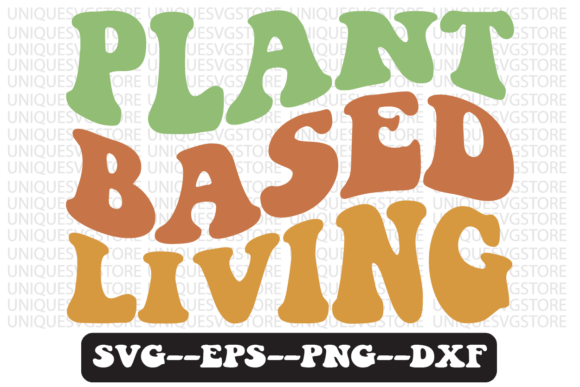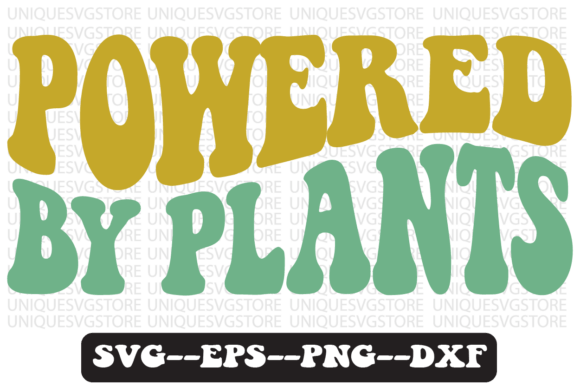
Powered by Plants Quote Retro SVG Review
As a designer who spends more time staring at stitch maps than actual fabric, I have learned that not every digital asset translates well to the needle. We live in an era where Crafts and Graphics intersect constantly, but the gap between a screen-ready image and a tangible, stitched product is often wider than clients realize. Recently, I evaluated the Powered by Plants Quote Retro Svg Design with a specific goal in mind: determining its viability for real-world embroidery projects rather than just digital sublimation.
The initial impression of this design is undeniably charming. It carries a distinct vintage aesthetic, leveraging bold, rounded typography that screams seventies nostalgia. For those of us in the embroidery community, retro styles are a double-edged sword. They are incredibly popular among Etsy sellers and boutique owners, but they can be tricky to execute if the lettering is too dense or the curves are too tight. This particular vegetarian quote design strikes a balance that feels approachable for intermediate machine operators while still looking professional enough for commercial sale.
From Screen to Stitch: A Real-World Test
To truly understand the value of this asset, I moved beyond theoretical analysis and imagined a concrete production scenario. Picture a custom order for a local co-op: a set of heavy-weight canvas tote bags and organic cotton sweatshirts branded with eco-friendly messaging. The client wants something that feels handmade, authentic, and durable. This is where the Powered by Plants Quote Retro Svg Design shines.
When visualizing this design on a tote bag, the bold lines of the retro font suggest it would hold up well against the textured weave of canvas. Unlike delicate script fonts that can get lost in fabric grain, the substantial weight of these letters ensures legibility. For sweatshirt embroidery, the design’s layout allows for a centered chest placement or a larger back print without overwhelming the garment’s structure. The "vegetarian day" theme aligns perfectly with current consumer trends, making it a high-potential item for small shop products targeting health-conscious demographics.
Navigating Fabric and Technique Challenges
While the aesthetic is strong, practical application requires caution. As an experienced reviewer, I must highlight where this design might stumble if not handled correctly. The primary concern with any quote-based embroidery file is stitch density. If the original graphic is converted directly into a satin stitch without proper underlay or pull compensation, the fabric may pucker, especially on thinner materials like onesies or lightweight t-shirts.
For baby embroidery projects, such as a soft cotton onesie, I would recommend testing the design on scrap fabric first. You need to ensure that the fill stitch areas do not become too rigid, which could irritate sensitive skin. Additionally, curved surfaces like caps present a unique challenge. The horizontal nature of the quote means it must be hooped perfectly straight; otherwise, the text will appear warped after stitching. Using a sturdy stabilizer is non-negotiable here to maintain the integrity of the letterforms.
Dark fabrics also require strategic planning. Since this is a quote design, contrast is key. If you are stitching on navy or black apparel, you must choose thread colors that pop. Pastels or bright whites work best to preserve the retro vibe. Always test your thread color combinations in a digital mockup before committing to the machine. A poor color choice can render the text unreadable, defeating the purpose of the message.
Commercial Viability and Brand Consistency
For craft business owners and digital product sellers, the versatility of this design is its strongest asset. It fits seamlessly into several niches: holiday embroidery gifts for Earth Day, personalized products for vegan friends, or even as part of a broader boutique branding strategy. The retro style appeals to a wide age range, from millennials nostalgic for the 70s to Gen Z consumers who appreciate vintage-inspired graphics.
However, professionalism in finished products relies on attention to detail. When using this as a commercial embroidery asset, ensure that the edges of the letters are clean. Jagged edges or loose threads can diminish the perceived value of a handmade product. Customers associate crisp stitching with quality. If you are selling these as embroidered patches, consider using a dense border or applique design technique to frame the text, giving it a polished, merchandise-ready look.
Practical Notes for the Embroidery Designer
Before you load this file into your machine, take a moment to review the technical specifics. Since the product description notes it is a printable sublimation design, you must verify if an accompanying embroidery file format (such as PES, DST, or JEF) is provided or if you need to digitize it yourself. If you are digitizing from the SVG, pay close attention to the corner details. Sharp corners in retro fonts often need to be slightly rounded in the stitch path to prevent thread breaks.
- Check Hoop Size: Ensure your hoop can accommodate the full width of the quote without resizing it to the point of pixelation or distortion.
- Stabilizer Selection: Use cut-away stabilizer for stretchy fabrics like hoodies and tear-away for stable woven fabrics like aprons or pillow covers.
- Thread Contrast: Test the design in black and white mockups to ensure the shape remains recognizable even without color.
- Licensing Verification: Confirm whether the license allows for commercial use of finished items. This is crucial for Etsy sellers and small business owners to avoid legal issues.
Furthermore, consider the end-use of the item. If this design is intended for kitchen towels or items that undergo frequent washing, use polyester thread for its durability and colorfastness. Cotton thread may fade or break down faster, compromising the longevity of the personalized gift.
Final Verdict on Design Utility
The Powered by Plants Quote Retro Svg Design is a solid addition to any designer’s library, provided it is approached with technical mindfulness. It offers a trendy, marketable aesthetic that resonates with current cultural values around sustainability and plant-based living. For apparel decorators and handmade shop owners, it provides a ready-made solution for creating engaging, conversation-starting pieces.
However, its success depends entirely on execution. It is not a "load and go" solution for every fabric type. It demands respect for material constraints, proper stabilization, and thoughtful color selection. When treated with this level of care, it transforms from a simple graphic into a high-value embroidered product that customers are proud to wear and gift. Whether you are creating a custom apron for a chef or a cozy blanket for a nursery, this design has the potential to elevate your project, bridging the gap between digital convenience and tactile craftsmanship.