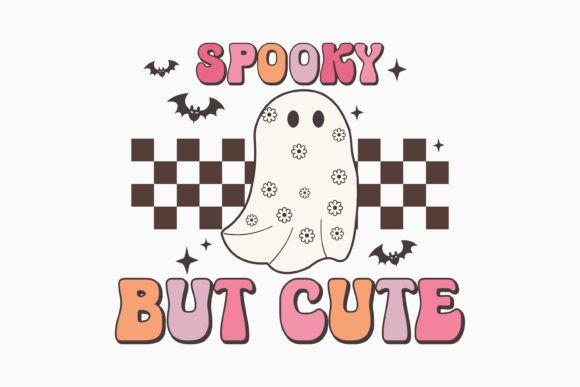
Review: Halloween Spooky but Cute Retro Design
As a designer who has spent countless hours digitizing and stitching out embroidery files, I have developed a keen eye for what works in the hoop versus what only looks good on a screen. When I first encountered Halloween Spooky but Cute Retro, my initial reaction was one of cautious optimism. The market is saturated with seasonal graphics, but finding a balance between spooky and adorable without losing clarity in stitch form is a genuine challenge. This review breaks down how this specific retro quote design performs in real-world applications, moving beyond the digital preview to the tactile reality of thread and fabric.
First Impressions and Visual Personality
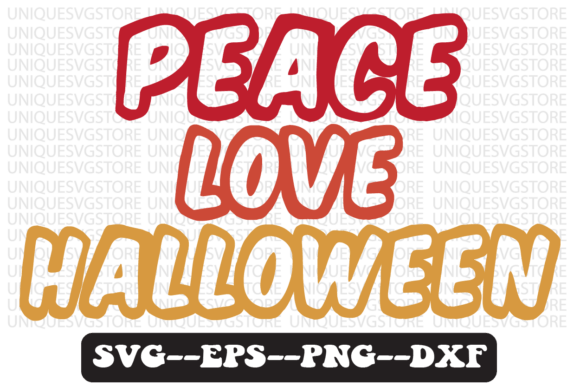
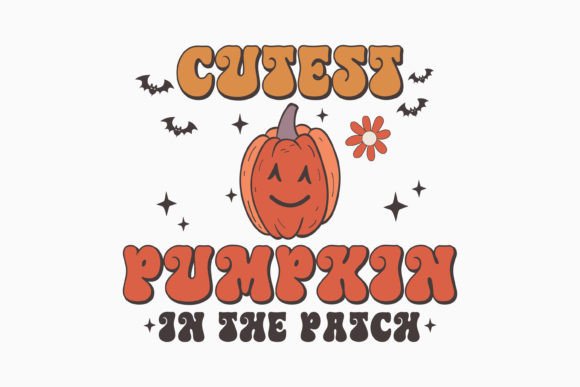
The immediate appeal of Halloween Spooky but Cute Retro lies in its nostalgic aesthetic. It captures that specific mid-century vibe that has become incredibly popular in modern craft circles. For an embroidery designer, the layout is crucial. The shapes are bold enough to hold up under satin stitch or fill stitch execution, which is vital for maintaining legibility. Unlike overly intricate illustrations that turn into a muddy mess when stitched at smaller sizes, this design relies on strong silhouettes and clear typography. The mood it creates is playful rather than frightening, making it versatile for a wider audience, including children and those who prefer whimsical holiday decor over horror themes.
Real-World Application: The Custom Tote Bag Test
To truly evaluate a design, you must put it to work. I recently used this graphic for a custom order involving canvas tote bags for a local boutique’s October promotion. The goal was to create a handmade product that felt premium yet accessible. Because the product description notes that the file is "Ready to print" and includes SVG and EPS formats at 300dpi, I had flexibility. However, for embroidery, I focused on how the vector shapes translated into stitch paths.
The design performed exceptionally well on the heavy cotton canvas. The retro lettering remained crisp, and the "cute" elements did not get lost in the texture of the fabric. This is where many digital designs fail; they look sharp on a monitor but lose definition when converted into thread. In this case, the visual personality of Halloween Spooky but Cute Retro shone through. Customers were drawn to the nostalgic feel, and the finished product had a professional look that elevated the perceived value of the simple tote bag. It served as an excellent example of how a well-chosen embroidery file can transform a basic item into a desirable small shop product.
Versatility Across Product Lines
Beyond tote bags, this design shows promise across various Crafts and Graphics applications. For custom apparel, such as sweatshirts or t-shirts, the retro style fits perfectly with current fashion trends. When considering sweatshirt embroidery, the density of the design is key. Since the file allows for easy color changes, you can adapt the thread colors to match specific garment hues, ensuring high contrast and visibility.
For baby embroidery projects, such as onesies or bibs, the "cute" aspect of the design makes it a strong contender. However, caution is advised regarding scale. While the design is adaptable, shrinking it too much for small baby items might compromise the finer details of the retro fonts. It is essential to test the hoop size limitations. Similarly, for embroidered patch creation, the bold lines of this design would hold up well against the edges of a merrowed border, creating a collectible item that fans of retro aesthetics would appreciate.
Technical Considerations for Embroiderers
While the visual appeal is strong, practical execution requires attention to detail. The product description mentions included EPS and SVG files, which are primarily vector graphics formats. For machine embroidery, these usually need to be digitized or converted unless a specific embroidery file format (like PES, DST, or JEF) is also provided or if you are using software that converts vectors to stitches. If you are working with the provided SVGs, ensure your digitizing software handles the curves smoothly to avoid jagged edges in the final stitch density.
When working with dark fabric, the choice of thread colors becomes critical. The retro palette often involves muted oranges, purples, and creams. On black or navy garments, you may need to use a lighter underlay or choose brighter thread shades to maintain the "spooky but cute" contrast. Additionally, for stretchy fabric like jersey knits used in t-shirts, proper stabilization is non-negotiable. A cut-away stabilizer is recommended to prevent puckering, especially if the design covers a larger area on the chest or back.
Where to Use Caution
Not every surface is suitable for this design. On curved surfaces like caps, the width of the retro lettering might cause distortion if not hooped correctly. You must ensure the design fits within the usable area of your cap frame without stretching the fabric excessively. Furthermore, while the design is described as having possible easy color changes, complex gradients in the original graphic may not translate well to thread. Stick to solid block colors for the cleanest finished product.
Avoid using this design on very thin or delicate fabrics without extensive testing. The weight of the stitches could pull on lightweight materials, leading to an unprofessional appearance. Always run a test stitch-out on scrap fabric of the same type and weight as your final project. This step allows you to check for thread breaks, tension issues, and overall clarity before committing to the final embroidery project.
Commercial Value and Brand Consistency
For Etsy sellers and craft business owners, consistency is key to building trust. Halloween Spooky but Cute Retro offers a cohesive look that can be applied across a range of products, from kitchen towel accents to pillow covers. Using a consistent design theme helps in creating a recognizable brand identity. When customers see this distinct retro style, they begin to associate it with quality and creativity.
The ability to change colors easily means you can offer personalized options, a huge selling point for personalized gift markets. Whether it is matching team colors for a group event or customizing for individual preferences, this flexibility adds value. However, always confirm licensing terms before selling finished items. While the file includes source files, ensure that commercial use is permitted for the specific end products you intend to create.
Final Designer Notes
In conclusion, Halloween Spooky but Cute Retro is a solid addition to any designer’s library of seasonal assets. It balances trendiness with timeless retro charm. To get the best results:
- Test on scrap fabric to determine optimal stitch density and tension.
- Check thread contrast against your chosen fabric background, especially for dark garments.
- Verify file compatibility with your embroidery machine or digitizing software, as SVG/EPS may require conversion.
- Use appropriate stabilizers to maintain shape integrity on stretchy or textured fabrics.
- Consider the end-use when scaling the design, ensuring details remain visible on smaller items like baby clothes.
This design is not just a graphic; it is a tool for creating engaging, high-quality handmade goods. With careful attention to technical details, it can elevate your holiday offerings and delight your customers.