Reviewing Halloween Let’s Get Spooky Retro SVG
As a designer who has spent countless hours digitizing and stitching out seasonal motifs, I approach every new machine embroidery design with a critical eye. It is not enough for a graphic to look good on a screen; it must translate seamlessly into thread, withstand the tension of the hoop, and appeal to the end customer. Recently, I evaluated the Halloween Let s Get Spooky Retro Svg to determine its viability for real-world craft projects. This is not just a digital asset; it is a potential revenue driver for Etsy sellers and boutique owners if handled correctly.
First Impressions and Visual Personality
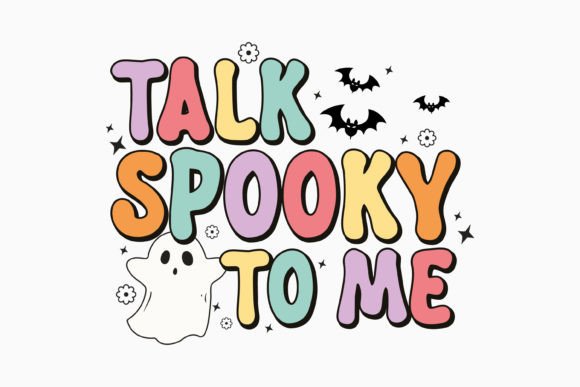
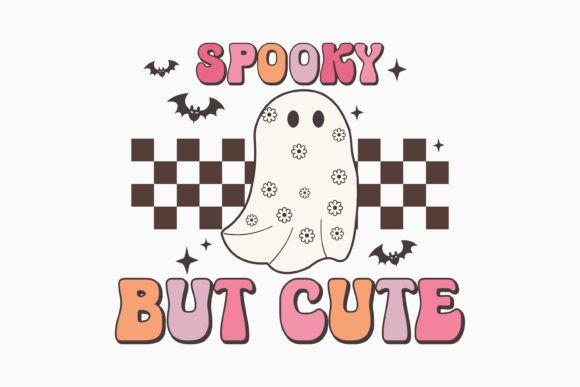
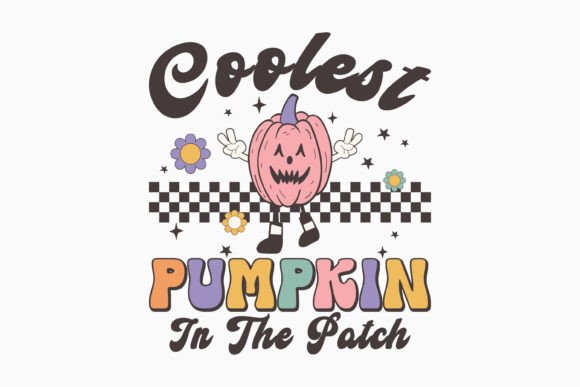
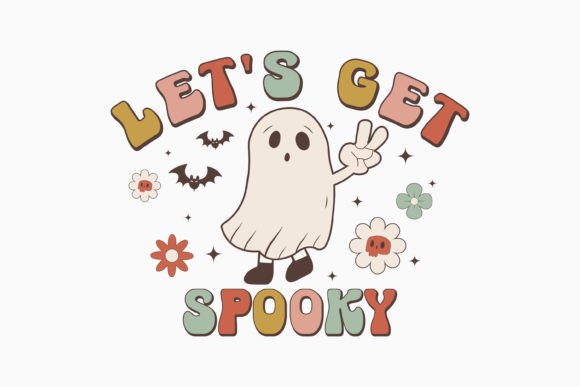
The immediate appeal of this Graphics product lies in its nostalgic aesthetic. The retro typography combined with playful Halloween imagery creates a mood that is whimsical rather than terrifying. For embroidery designers, this distinction is crucial. While horror-themed designs have a niche market, retro-style quotes have broader commercial appeal, fitting comfortably into modern farmhouse decor, trendy streetwear, and family-oriented holiday gifts.
The layout appears balanced, which suggests that the negative space is well-managed. In embroidery, negative space is just as important as the stitched areas because it prevents fabric puckering. The clean lines of the vector file indicate that converting this into an embroidery file should be straightforward, provided one pays attention to the transition between the text and any accompanying graphical elements.
Real-World Application: The Tote Bag Test
To truly understand the value of the Halloween Let s Get Spooky Retro Svg, I visualized it on a canvas tote bag. This is a staple handmade product during the autumn season. Imagine a sturdy, natural-colored cotton tote. The retro font, when stitched in a burnt orange or deep purple thread colors, would pop beautifully against the neutral background. The design’s simplicity ensures that it does not become overly dense, which is vital for a flexible item like a tote that will be folded and stored.
Beyond totes, this design shines in custom apparel. A crewneck sweatshirt featuring this quote could easily become a bestseller for a small shop product line. The retro vibe aligns perfectly with current fashion trends, making it attractive to younger demographics who appreciate vintage-inspired holiday embroidery. However, when applying this to stretchy fabrics like fleece or jersey, one must consider the stability of the stitch. The open nature of the lettering helps, but proper stabilization is non-negotiable.
Technical Considerations for Stitching
While the product description highlights that the source files are EPS and SVG at 300dpi, it is essential to remember that these are vector graphics, not native embroidery formats. Before sending this to your machine, you must digitize it or use software that converts vectors to stitch data. During this process, pay close attention to stitch density. Retro fonts often have thick strokes; if filled entirely with a fill stitch, the result can be stiff and prone to breaking. I recommend using a combination of satin stitch for smaller details and a lighter fill or even running stitch outlines for larger letters to maintain fabric drape.
Another critical factor is the hoop size. Ensure that the scaled design fits comfortably within your standard hoops, such as a 5x7 or 6x10 inch frame. If you plan to create an embroidered patch, the design scales down well, but you must simplify any tiny serifs or intricate corners that might get lost in the stitching process. Always test the design on scrap fabric first. This step allows you to check for thread breaks, registration issues, and overall visual balance before committing to expensive garment stock.
Navigating Fabric and Color Challenges
The versatility of the Halloween Let s Get Spooky Retro Svg is one of its strongest assets. The description notes that color changes are easy, which is true for the digital file, but in embroidery, thread selection dictates the final look. On dark fabrics, such as navy or black sweatshirts, you may need to use a lighter underlay or a contrasting top thread to ensure legibility. Conversely, on light linens or tea towels, darker threads will provide sharp definition.
Be cautious with textured fabrics. If you are stitching on a waffle-knit towel or a fuzzy blanket, the fine details of the retro font might get obscured by the pile. In such cases, increasing the stitch width slightly or choosing a bolder weight for the font can improve clarity. For baby embroidery items, ensure that the back of the stitching is smooth and covered with a soft stabilizer to prevent irritation against sensitive skin.
Commercial Viability and Brand Consistency
For craft business owners, consistency is key to building brand trust. This design fits well into a cohesive autumn collection. It pairs nicely with other retro-themed design assets, allowing you to create matching sets of pillows, aprons, and wall hangings. The professional appearance of the finished product can significantly enhance buyer engagement. Customers are more likely to purchase a personalized gift that looks polished and well-executed.
However, always verify the licensing terms before selling finished items. While the file includes EPS and SVG formats suitable for printing and cutting, using them for commercial embroidery requires clear permission from the creator. Assuming the license permits commercial use of finished physical goods, this design can be a valuable addition to your Crafts portfolio. It is ready to print and easy to modify, which saves time in the design phase.
Final Designer Notes
- Test on Scrap Fabric: Never skip this step. Check how the retro curves stitch out on your specific machine.
- Stabilizer Selection: Use a cut-away stabilizer for stretchy garments and a tear-away for stable woven fabrics like tote bags.
- Thread Contrast: Mock up the design in black and white first to ensure the shape is recognizable without color reliance.
- Detail Inspection: Zoom in on the vector file to identify any nodes that might cause stitching errors during digitization.
- Wash Testing: After stitching, wash the sample item to check for thread shrinkage or fabric distortion.
In conclusion, the Halloween Let s Get Spooky Retro Svg is a promising asset for designers who understand the nuances of translating graphics into thread. It offers a blend of nostalgia and modern simplicity that resonates with today’s consumers. By paying attention to technical details like stitch density, fabric choice, and stabilization, you can transform this digital file into a high-quality finished product that stands out in the competitive handmade market. Whether you are creating a unique tote bag design or a cozy sweatshirt embroidery piece, this design provides a solid foundation for creative expression and commercial success.