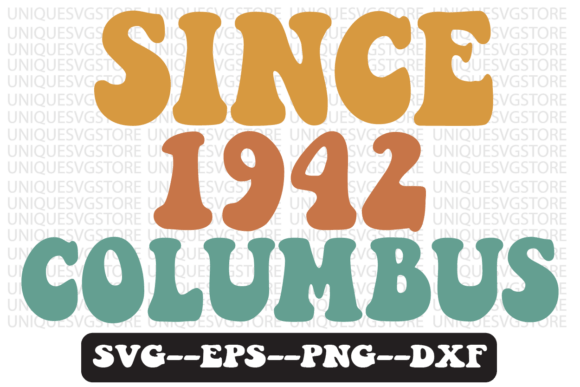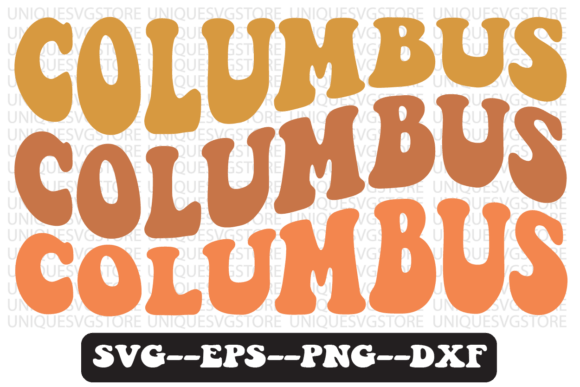
Reviewing the Columbus Quote Retro SVG for Stitching
As a designer who spends half my life staring at digitized files and the other half watching needles punch through fabric, I have learned to be skeptical of trendy graphics. We see thousands of designs flood the market every season, especially around holidays like Columbus Day. Most are fine for a quick heat press, but when you are running a craft business or selling handmade products, you need assets that hold up under the scrutiny of a magnifying glass and the tension of an embroidery hoop. Recently, I pulled the Columbus Quote Retro Svg Design into my workflow to evaluate its potential not just as a printable sublimation file, but as a foundation for high-quality stitched goods.
First Impressions: Mood and Visual Personality
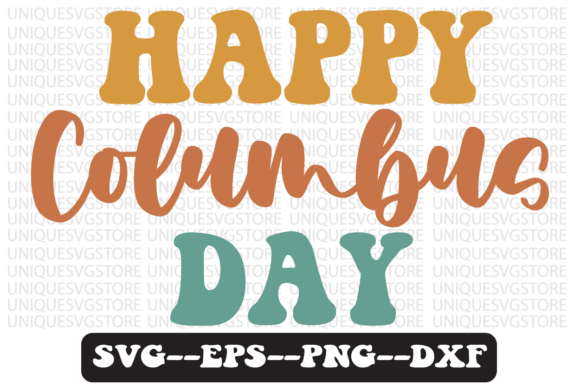
The first thing that strikes you about this design is its intentional nostalgia. The "retro" aesthetic is not just a buzzword here; it is built into the typography and layout. For an embroidery designer, this matters because retro styles often rely on bold lines and clear spacing, which translates beautifully to thread. Unlike intricate, photorealistic images that require thousands of stitches and dense fill stitch areas, this graphic relies on strong shapes and legible lettering.
The mood is playful yet historical, striking a balance that works well for modern custom apparel. It does not feel stiff or overly academic. Instead, it has a casual, approachable vibe that fits perfectly on a weekend sweatshirt or a canvas tote. When I look at the vector lines, I am already visualizing how a satin stitch could outline the heavier elements, while a lighter running stitch might handle the finer details if the file allows for such manipulation during digitization.
Real-World Application: From Screen to Fabric
To truly test a design, you have to imagine it on a specific product. I pictured this Columbus Quote Retro Svg Design on a heavy-weight, cream-colored cotton sweatshirt. This is a staple item for many Etsy sellers and boutique owners. The contrast between the dark, bold retro text and the light fabric would be striking. However, because this is originally marketed as a printable product for sublimation on items like T-shirts, onesies, and hoodies, we must adapt our thinking for embroidery.
Sublimation prints flatten onto fabric, but embroidery adds texture and dimension. If you are converting this SVG into a machine embroidery design, you must consider the stitch density. A quote-based design can easily become too dense if every letter is filled solidly. My recommendation is to use a combination of techniques. Use satin columns for the thicker parts of the letters to give them a raised, premium feel, and consider leaving the thinner serifs or decorative elements as simple outlines. This reduces bulk and prevents the fabric from puckering, a common issue with dense text designs on stretchy materials like hoodie fleece.
Where This Design Shines
This graphic is particularly well-suited for:
- Tote bag design: Canvas handles thick stitching well, and the retro vibe matches the eco-friendly, artisanal aesthetic of tote bags.
- Sweatshirt embroidery: The boldness of the retro font stands out against the textured surface of fleece or French terry cloth.
- Embroidered patch: Creating a merrow-edge patch with this design allows for portability and versatility, letting customers iron it onto jackets or hats later.
- Holiday embroidery: For Columbus Day or Indigenous Peoples’ Day discussions, this serves as a conversation-starting piece for educational or commemorative personalized gifts.
Technical Considerations and Potential Pitfalls
While the design is visually appealing, there are areas where caution is necessary. Since this is a Graphics asset within the Crafts category, it may not come pre-digitized for every machine. If you are using this as a reference to create your own embroidery file, pay close attention to small corners. Retro fonts often have sharp angles or unique ligatures that can cause thread breaks if the needle turns too sharply. You may need to add tie-in and tie-off stitches manually in your digitizing software to secure these points.
Another critical factor is fabric choice. This design would struggle on thin, slippery fabrics like silk or lightweight rayon unless heavily stabilized. The weight of the thread could distort the garment. For baby embroidery on onesies, ensure you use a soft, cut-away stabilizer to prevent irritation and maintain shape after washing. On dark fabrics, you will need to carefully select thread colors that pop. A muted retro palette might disappear on navy or black, so consider using metallic threads or high-contrast brights to maintain visibility.
Curved Surfaces and Hoop Limits
If you plan to put this on a cap, remember that curved surfaces distort straight lines. The horizontal alignment of the quote needs to be arched slightly in the digitizing phase to look straight to the human eye when worn. Also, check your hoop size. If the quote is long, it might exceed standard 4x4 or 5x7 hoops, requiring a larger 6x10 or 8x8 hoop. Always measure the actual dimensions of the SVG before committing to a project.
Enhancing Product Value and Brand Trust
For small shop product creators, the quality of your design directly impacts perceived value. A clean, well-stitched quote looks professional and thoughtful. It suggests that the maker cares about detail. When customers see crisp edges and consistent tension in the lettering of a finished product, they are more likely to trust your brand for future purchases. This design, with its clear lines and recognizable theme, offers a great opportunity to showcase technical skill.
Moreover, using a retro style taps into current fashion trends, making your commercial embroidery items feel current and relevant. Whether you are selling at a craft fair or listing on an online marketplace, the visual appeal of this design can drive engagement. It is distinct enough to stand out in a sea of generic holiday graphics but familiar enough to be instantly readable.
Practical Designer Notes for Implementation
Before you run this design on a client’s expensive garment, follow these steps:
- Test on scrap fabric: Always stitch a sample on the same type of material you intend to use. Check for puckering or thread breaks.
- Check thread color contrast: View your design in black and white mockups to ensure the values are distinct enough to be read without color cues.
- Inspect small details: Zoom in on the SVG. Are there any tiny elements that might get lost in stitching? Simplify if necessary.
- Confirm licensing: Since this is a digital embroidery file or printable asset, verify if the license allows for commercial use of finished physical items. Some creators allow sales of finished goods but prohibit reselling the digital file itself.
- Use proper stabilizer: Match the stabilizer to the fabric weight. Heavy fleece needs different support than a cotton tee.
In conclusion, the Columbus Quote Retro Svg Design is a versatile asset that bridges the gap between print and stitch. With careful digitization and attention to fabric choice, it can elevate your embroidery project from a simple craft to a professional-grade product. It rewards the designer who takes the time to understand how ink vectors translate to thread paths, resulting in a handmade product that feels both nostalgic and freshly made.