Reviewing the Happy Columbus Day Retro SVG for Stitchers
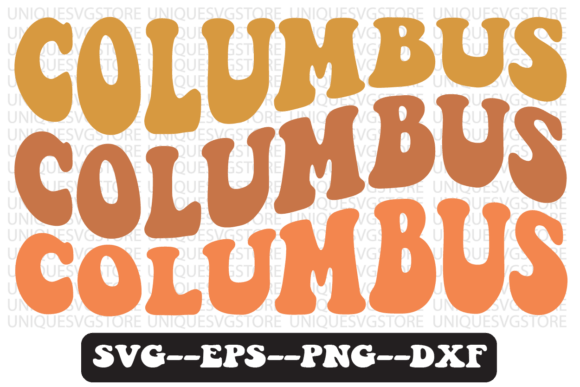
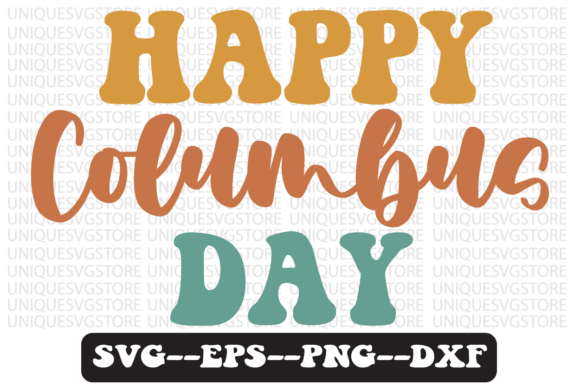
As a designer who spends half my life digitizing files and the other half watching needles punch through fabric, I have learned to look past the glossy preview images. When I first pulled up the Happy Columbus Day Retro Svg Design, my initial reaction was one of cautious optimism. The retro aesthetic is having a major moment in the Crafts world right now, but translating that vibe from a flat screen to a textured, three-dimensional embroidered surface requires more than just a pretty picture. This review breaks down how this specific graphic holds up when moved from the realm of digital Graphics into the tangible reality of machine embroidery.
First Impressions and Visual Personality
The design carries a distinct nostalgic weight. It does not scream for attention with neon brightness; instead, it relies on balanced shapes and a layout that feels established and calm. For an embroidery project, this is crucial. Overly complex designs often turn into a mess of thread breaks and bird nests on the machine. This design, however, appears to have a visual personality that respects the limitations of the needle. The mood it creates is one of classic Americana, suitable for heritage-themed items or educational projects. When evaluating a file like this, I look for clean lines and logical separation of elements. If the shapes are too thin, they will vanish under satin stitch; if they are too dense, the fabric will pucker. This design seems to strike a middle ground that invites experimentation.
Real-World Application: The Custom Sweatshirt Test
To truly understand the value of this asset, I imagined a real-life scenario. A client approaches me for a small batch of custom apparel for a local history club. They want something subtle yet recognizable. I visualize placing this design on the left chest of a heavyweight cotton sweatshirt. This is where the rubber meets the road. Unlike sublimation, which melts ink into polyester, embroidery adds texture and dimension.
If I were stitching this as a machine embroidery design, I would need to consider how the retro curves translate into satin stitch borders and fill stitch interiors. On a sweatshirt, the pile of the fabric can swallow small details. Therefore, I would likely scale the design up slightly to ensure legibility. The result would be a tactile, premium feel that elevates the garment from a basic piece of clothing to a handmade product with perceived value. Customers often equate embroidery with quality, and a well-executed version of this design could significantly boost buyer engagement for an Etsy seller or boutique owner.
Versatility Across Product Lines
Beyond apparel, this design has potential in various embroidery project categories. Consider a canvas tote bag design. The sturdy weave of canvas handles high stitch density well, allowing for crisp edges. Alternatively, think about baby embroidery on a onesie. Here, caution is required. The backing must be soft, and the design size must be reduced to fit the small hoop area without overwhelming the infant’s frame. For holiday embroidery gifts, such as kitchen towels or aprons, the retro theme fits seamlessly into autumn decor. It serves as a versatile design asset that can be repurposed across a small shop product line, ensuring brand consistency while offering variety.
Technical Challenges and Material Considerations
While the aesthetic is appealing, practical execution demands attention to detail. Not every fabric behaves the same way. If you are working with stretchy fabrics, such as jersey knits for t-shirts, you must use a cut-away stabilizer to prevent distortion. The weight of the thread can pull the fabric out of shape if not properly supported. For dark fabrics, thread color contrast becomes critical. A muted retro palette might get lost on navy or black material unless you choose high-visibility thread colors or add a light-colored underlay.
Curved surfaces, like caps or hats, present another challenge. Embroidering on a curved surface requires careful hooping and often a different digitizing approach than flat garments. If this design has tiny lettering or intricate corners, those areas may not stitch out cleanly on a cap due to the tension and curvature. I always recommend testing the design on scrap fabric that matches your final product. This allows you to check for thread breaks, puckering, and overall clarity before committing to the finished product.
Digital vs. Stitched Reality
It is important to note the distinction between the source file and the output. The product description mentions it is a printable sublimation design. This means the original file is likely a vector or high-resolution raster image intended for printing, not necessarily a pre-digitized embroidery file with stitch data. For an embroiderer, this means you cannot simply load it into your machine. You must either digitize it yourself or hire a digitizer to convert the Graphics into a format your machine understands, such as PES or DST.
This step is vital. A printed image can have infinite color gradients and sharp pixels, but embroidery is limited by thread thickness and stitch angles. Converting this retro design requires deciding where to use running stitch for fine details and where to use fill stitches for larger areas. Without proper digitizing, the design may look blocky or lose its retro charm. Always confirm licensing before selling finished items. Just because you can print it does not automatically mean you can sell embroidered versions commercially without checking the specific terms provided by the creator.
Enhancing Brand Value and Customer Trust
For creative entrepreneurs, the choice of design reflects brand identity. Using a well-balanced, thematic design like this shows attention to detail. It signals to customers that you care about the narrative behind the product. Whether it is a personalized gift for a teacher or a custom apparel piece for a family reunion, the emotional connection matters. A sloppy stitch-out damages trust, but a clean, professional application of this retro motif builds it.
When creating printable mockup images for your online store, ensure the digital representation matches the physical reality. Show close-ups of the stitch texture. Highlight the quality of the thread and the stability of the fabric. This transparency helps manage customer expectations and reduces returns. In the competitive world of commercial embroidery, these small touches differentiate a hobbyist from a professional.
Final Designer Notes
Before you commit to production, take these practical steps. First, verify the file format. If it is strictly a SVG for printing, prepare for the digitizing workflow. Second, test on multiple fabric types. See how it looks on denim versus cotton. Third, check the scale. What looks good on a screen might be too large for a pocket or too small for a back panel. Finally, consider the end-user. Will this design withstand frequent washing? Use high-quality polyester threads for durability and colorfastness.
The Happy Columbus Day Retro Svg Design offers a solid foundation for creative work, provided you respect the technical demands of embroidery. It is not just a graphic; it is a blueprint for a tactile experience. By approaching it with a designer’s eye and a crafter’s hands, you can transform a simple digital file into a cherished embroidered patch, a stylish sweatshirt embroidery piece, or a standout item in your craft business inventory. The key lies in the preparation, the testing, and the thoughtful execution of every stitch.